
Who's behind the news?
Who's behind the news?
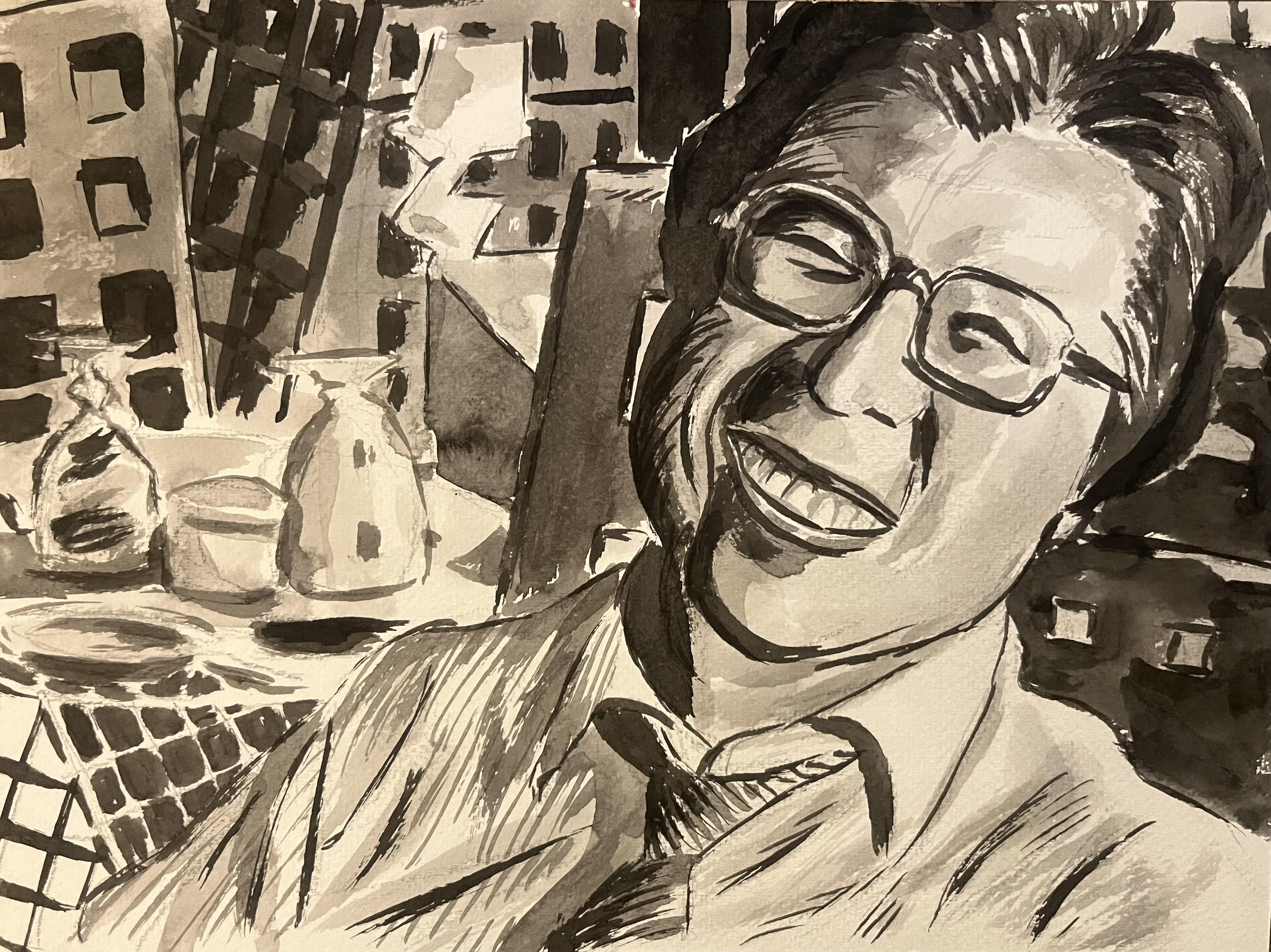
Won the Pulitzer Prize for investigative reporting in 2000 for a series on No Gun Ri
Paul Shin was a South Korean journalist. He was a part of a team of AP reporters led by Choe Sang-Hun, Charles J. Hanley, Martha Mendoza, and Randy Herschaft who won the Pulitzer prize for investigative reporting in 2000 for a series on the 1950 killing of Korean War refugees by US troops in the village of No Gun Ri.
After retiring from AP in 2003, he mentored young journalists at the Yonhap News Agency.
Shin, whose Korean name is Shin Ho-Chul, began his reporting career in 1965 with the Korea Herald in Seoul. He worked for United Press International and joined Associated Press in 1986 as one of the few international wire-agency reporters in the country. In recounting his work, he described limited access to phones and wireless equipment while competing with other reporters for telegram lines to transmit scoops and breaking news.
In 1973, Shin was a UPI correspondent and didn’t have a phone at his new Seoul home. Early one August day, he was awakened by a close friend and AFP (Agence France-Presse) reporter, who came to his house to share the news of opposition leader Kim Dae-jung’s return home five days after going missing at a Tokyo hotel. Kim, who had been kidnapped by South Korean spy agents working for then authoritarian leader Park Chung-hee, later became president and won the Nobel Peace Prize for promoting democracy in South Korea and reaching out to North Korea.
During the military-backed governments by Park and his authoritarian successor Chun Doo-hwan from the 1960s to the 1980s, Shin said government authorities intimidated and threatened South Korean reporters who worked for foreign media. Shin recalled domestic media voluntarily skipping sensitive stories and burying them on inside pages.
Shin reported on South Korea’s military dictatorships, the country’s economic transformation, and the 1988 Seoul Olympics. He faced surveillance, limited access to phones and wireless technologies, and was subjected to government intimidation.
“He frequently emphasized how important it is to communicate South Korea’s situation to the world, and expressed hope that future generations of journalists would continue that role,” his son John Shin said.
Sources
Yonhap News Agency. Paul Shin obituary
HomeWorldNews. Paul Shin obituary
Paul H.B. Shin. Half Life book
The Mystery of Writing. Paul H.B. Shin Biography
AdWeek. Paul Shin Promoted by ABC
© 2025 Newsjunkie.net