
Who's behind the news?
Who's behind the news?
Interview with Lynda Kraxberger
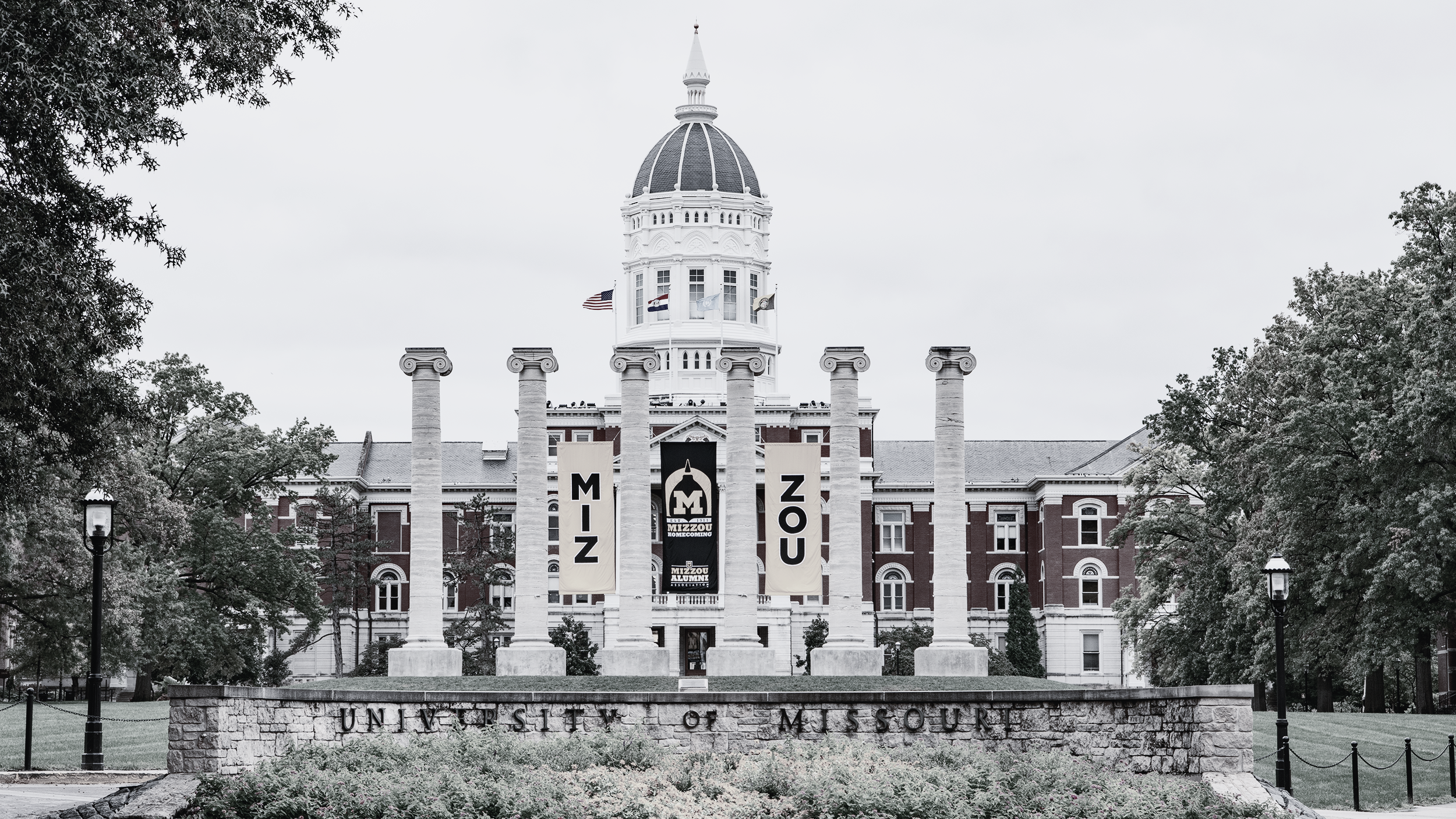
Founded in 1908 by journalist and educator Walter Williams, the Missouri School of Journalism is the oldest institution in the country to offer a journalism degree. Today the school encompasses numerous departments offering students the opportunity to explore every aspect of modern journalism. In a Newsjunkie interview conducted in August 2025, Professor Lynda Kraxberger, Associate Dean of the School of Journalism, stated that the school’s strong suit is its breadth—the ability to offer robust and intensive experiences throughout all of their programs. "Mizzou is clear-eyed about what works for students and what doesn't. Students have opportunities that can lead to post-graduation employment." Mizzou Journalism alumni can be found all over the newsworld, including top reporting and editing positions at the New York Times, USA Today, Chicago Tribune, CNN, NBC News, and CBS News.
Kraxberger, herself, is an example of Mizzou’s strong alumni relationships. Her alma mater jumpstarted her career in journalism, allowing her to work at an NBC affiliate through an alumni referral. She explained that her current position as Associate Dean was also because of alumni connections; someone within the leadership staff recommended her.
Much of Mizzou’s strength lies in its faculty. 65+% of the faculty work in reporting or news production outside of their employment at the University. The remainder focus on journalism research. “We look for excellence in [this regard],” said Kraxberger, describing research as a pillar of Mizzou Journalism. The shared focus on reporting and research enables students to get real transferable experience in the field of journalism.
According to Professor Kraxberger, students come into the journalism school with the intent to study either strategic communication or (classic) journalism, but after their first years, some students change their area of emphasis. Kraxberger points out that regardless of which department a student chooses, their studies will be rigorous and afford an extensive preview into the industry.
Prof. Kraxberger also remained transparent in confessing that not all who start at the journalism school end their journey still in the program, sometimes opting for another major, or simply leaving the school altogether. When asked about the challenges surrounding journalism in today's news environment, she noted that the school’s faculty is constantly thinking of ways to adapt to real world changes. For instance, the Reynolds Journalism Institute (RJI), a think tank associated with Mizzou Journalism, invites proposals from individuals and organizations who partner with the institution to strengthen journalism’s future.
The school offers a variety of hands-on experiences to students. A main vehicle being the Columbia Missourian, the local, student-staffed, newspaper serving the community. “Service is important at Mizzou,” says Kraxberger, and exemplifies the mission of the school. While working for the Columbia Missourian, students serve their community by covering local and national news, all while learning what it takes to run a successful newspaper. She did not specify how many students get the opportunity to work at the Columbia Missourian, and the number is not displayed on the school’s website.
The school of journalism offers a variety of real-world experiences for students. Take the Maneater. Founded in 1955, the Maneater is an entirely student-run newspaper covering a variety of topics in the community. October marks their 70th Anniversary, a celebration including alumni and students will mark their legacy in the industry. Notable alumni attending the event include David Scott, Associated Press Vice President of US Election Services. When asked about the school’s student run newspaper, Professor Kraxberger exclusively mentioned the Columbia Missourian, never speaking to the importance of The Maneater and the crucial experience it gives to students. The school also owns Vox Magazine, which brings Missourians an analysis and reflection of contemporary issues with relevant and provocative articles.Vox’s staff is composed of students on every level, including writers, editors, designers, photographers and managers.
Aside from its rich immersion opportunities in print and digital reporting, the school also offers experiences to those wishing to work in broadcasting. KOMU TV-8, the university-owned commercial television station founded in 1953, uses its newsroom as a working lab for journalism students and allows them to outreach to different professionals in the field.
© 2025 Newsjunkie.net